Focused approach: safely preparing skullcap for drinking or smoking
If you plan to prepare skullcap teas, infusions, or a small smoking blend, the immediate priorities are correct species identification, gentle extraction that preserves calming constituents, and avoiding unsafe combinations with pharmaceuticals or alcohol. This article gives stepwise preparation tips for water-borne infusions and tinctures, practical guidance on cautious smoking-blend formulation, and a safety-first view on dosing and long-term use.
Choosing skullcap species, harvest timing, and container gardening tips
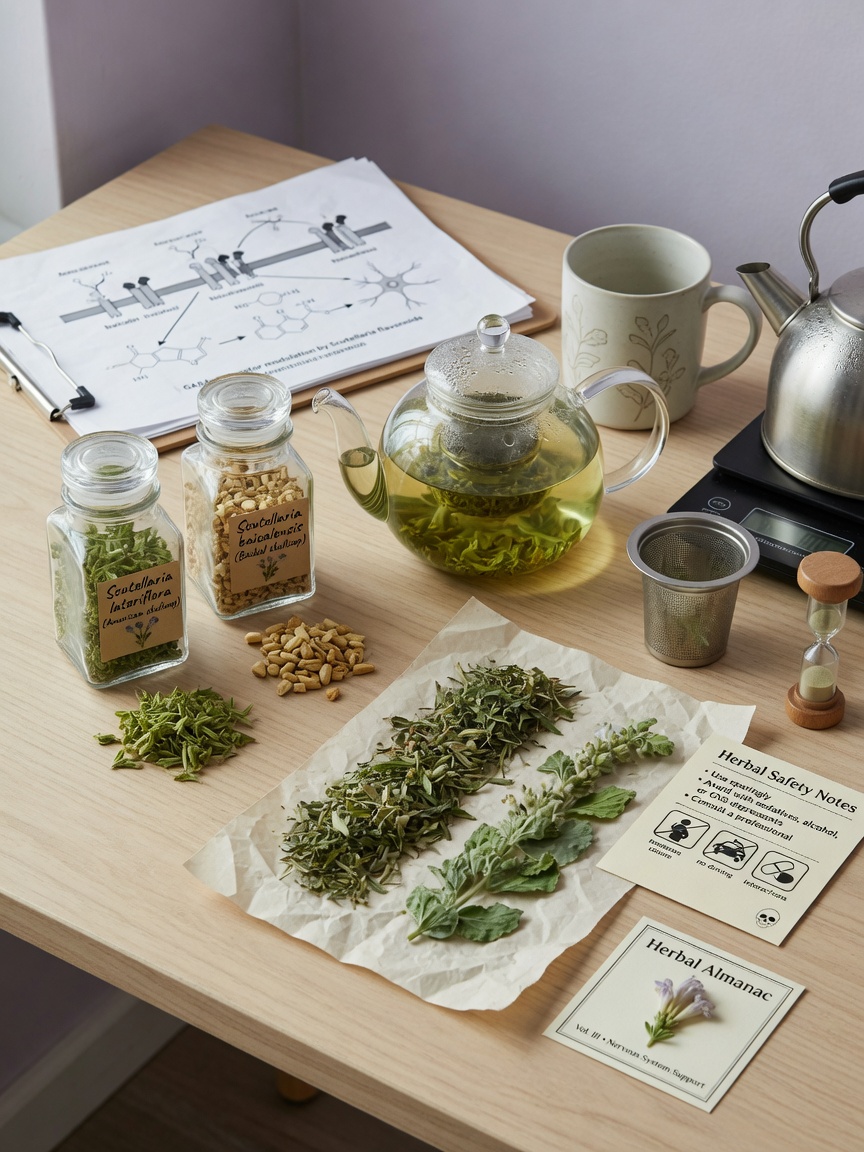
Different Scutellaria species are used in herbal practice; American skullcap (Scutellaria lateriflora) is commonly prepared as a leaf tea, while Baikal skullcap (Scutellaria baicalensis) is normally used for root and rhizome extracts in traditional systems. Confirm the species on label or by trusted supplier; misidentified plants are the primary safety risk with home harvests.
For small-scale cultivation, container gardening works well: use a rich, well-draining potting mix, partial shade, and regular watering to keep leaves plump. Harvest aerial parts in late summer when flowers are out, dry quickly in a warm ventilated area, and store in a sealed jar away from light to preserve volatile constituents used in teas and smoking blends.
Preparing teas and infusions: safe techniques, ratios, and why steeping matters
For a standard skullcap tea, a cautious starting point is 1 teaspoon of dried aerial herb per 8-ounce cup of near-boiling water; steep 10–15 minutes covered to retain aromatic compounds, then strain. For a stronger infusion (useful if material is coarser), increase to 2 teaspoons or let the herb steep for 15–20 minutes. Roots or denser material require a short decoction: simmer 5–10 minutes then steep 10 additional minutes off heat.
When preparing larger batches, use similar herb-to-water ratios and keep steeping times consistent to avoid overly concentrated preparations. For a quick primer on standard steeping and infusion techniques used with flowers and leaves, consult the general overview of herbal tea, which explains the differences between infusions and decoctions and why covering the vessel preserves volatile compounds.
Smoking blends for relaxation: risks, formulation, and safer alternatives
Smoking skullcap is sometimes promoted in low-percentage blends marketed for relaxation or sleep. Combustion produces irritants to the lungs, so treat smoking as higher-risk than oral use. If a user still chooses a smoking blend, keep skullcap under 20% of the mix and blend with neutral base herbs such as mullein or plantain to reduce harshness; avoid adding tobacco or nicotine if the intent is relaxation.
Safer alternatives to smoking include vaporizing dried skullcap at low temperatures, inhaling steam from a freshly brewed infusion for short sessions, or using a glycerin-based extract sublingually. Smoking blends for relaxation may work for some, but always start with very small inhalations and monitor for throat or respiratory irritation, coughing, or increased heart rate.
Phytochemistry, GABA mechanisms, and combining with valerian and sedatives
Skullcap contains flavonoids and related constituents that are thought to influence central nervous system pathways, often described in herbal literature as supporting GABAergic tone. This potential interaction explains why skullcap is commonly combined with valerian and other sedative herbs in traditional formulas for sleep and anxiety relief.
Because of additive effects on sedation, do not combine skullcap with prescription benzodiazepines, barbiturates, or excessive alcohol without medical supervision. When trialing combinations such as valerian plus skullcap, begin with low doses of each and avoid operating heavy machinery or driving until you understand your individual response.
Dosing regimens, long-term safety considerations, and contraindications
Conservative oral dosing starts at one 8-ounce cup (1 teaspoon dried) once daily to assess tolerance; many practitioners increase to 1–3 cups per day depending on response. For tinctures, a conservative approach is to follow supplier instructions and start at the low end of any recommended range. If using smoking blends, keep inhaled amounts minimal and infrequent.
Avoid skullcap during pregnancy and breastfeeding, and use caution with existing liver disease or when taking medications metabolized by the liver. Discontinue skullcap before surgery because of potential interactions with anesthetics and consult a healthcare professional if you take antidepressants, sedatives, or anticonvulsants. Monitor for excessive sedation, cognitive slowing, or digestive upset, and stop use if adverse effects occur.
Practical recipes, a simple checklist, and daily-use guidance
Below are two concise recipes and a short safety checklist to use before preparing skullcap preparations at home.
- Dried skullcap tea: 1 tsp dried aerial herb per 8 oz water; steep 10–15 minutes covered; 1 cup to start, up to 3 cups/day.
- Gentle smoking blend (low-risk formulation): 5–15% skullcap, 70–90% mullein or plantain leaf, optional 5–10% chamomile for flavor; use sparingly.
- Safety checklist: confirm species, start low, avoid mixing with sedative drugs or alcohol, stop if adverse effects appear.
Keep a usage log for a week when introducing skullcap to track dose, timing, and effects on sleep or daytime alertness. If you plan long-term daily use, arrange periodic reviews with a healthcare provider to assess liver function and interactions with new medications.
Practical closing: balancing benefit with caution
Skullcap can be prepared in multiple forms—tea, infusion, tincture, or a minor component of a smoking blend—but safety depends on correct species, moderate dosing, and attention to interactions. Prefer oral infusions or tinctures for most users and treat smoking as a last resort with clear limits on frequency and proportion in blends.
When in doubt, start with a single small cup of infusion and consult a qualified clinician for guidance on combining skullcap with valerian or prescription sedatives. Thoughtful preparation and conservative use will reduce risks while allowing you to explore skullcap for sleep and relaxation in a safer, more effective way.